Choosing a new air conditioning system isn’t just about cooling your home—it’s about efficiency, comfort, installation complexity, and how your home is laid out. One of the most common questions Arizona homeowners ask is whether a ductless mini-split system or a traditional central AC system makes more sense.
Both options work well in desert climates like Gilbert, but they serve different types of homes and needs. This guide breaks down how each system works, the pros and cons of each, and how to decide which one fits your situation best.

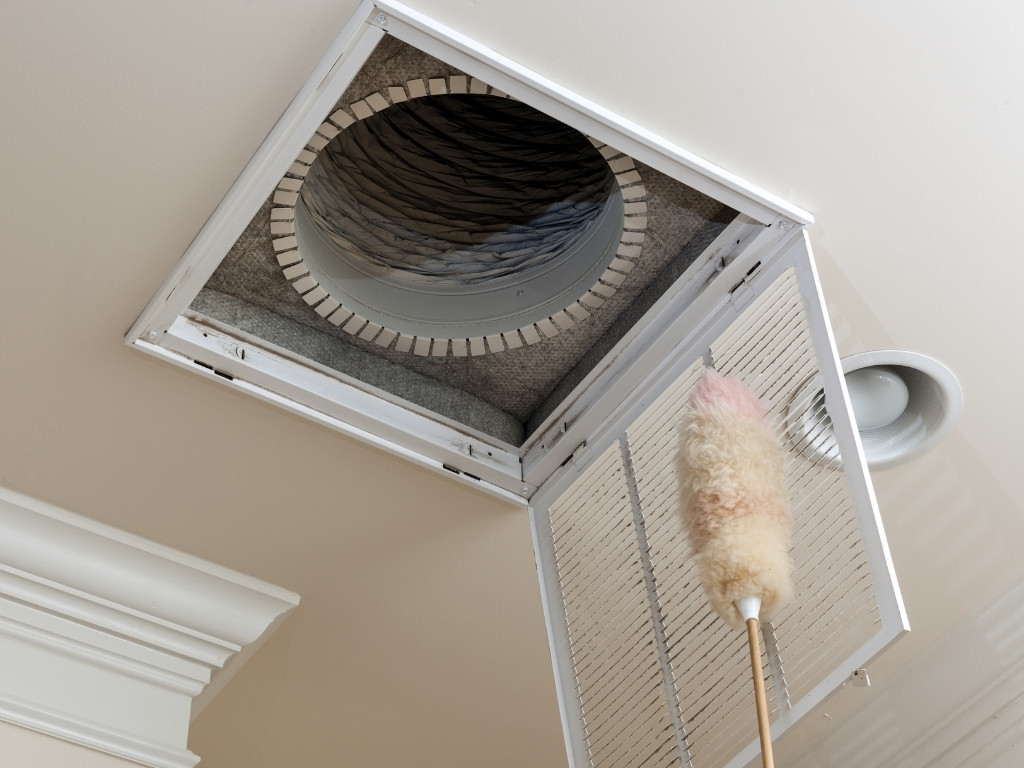
Central air conditioning uses a single outdoor condenser connected to an indoor air handler that pushes cooled air through ductwork to every room in the house. Most homes in Arizona are already built with ducts, making central AC a common choice.
Because the system cools the entire home at once, temperature control is centralized—usually managed by a single thermostat. Air is distributed evenly, assuming ducts are properly sealed and balanced.
Advantages of Central AC
Limitations of Central AC
Central AC remains a solid, reliable choice—especially for homes already designed around it.The result? Your home stays comfortable without wasting energy during the hottest parts of the day.
Ductless mini-splits consist of an outdoor unit connected to one or more indoor wall-mounted units. Each indoor unit cools a specific room or zone, and no ductwork is required.
Because each zone operates independently, mini-splits offer precise control over where and when cooling happens. This can be especially useful in Arizona homes with additions, converted garages, or rooms that never seem to cool evenly.
Advantages of Ductless Mini-Splits
Limitations of Mini-Splits
Mini-splits excel in targeted cooling situations but require thoughtful planning for whole-home use.
Arizona’s extreme heat puts unique demands on AC systems. Both central AC and mini-splits can perform efficiently here, but efficiency depends heavily on home layout and usage patterns.
Central AC systems can be very efficient in well-sealed homes with modern ductwork. However, duct leaks—common in older homes—can waste a noticeable amount of cooled air, especially in attic spaces.
Mini-splits avoid duct losses entirely and shine in homes where cooling needs vary by room. Bedrooms, offices, or guest spaces can be cooled only when needed, reducing runtime during peak heat.
In practice:
Comfort is about more than temperature—it’s about consistency.
Central AC offers uniform cooling across the home but can struggle with hot spots if ducts are unbalanced or rooms receive heavy sun exposure.
Mini-splits allow precise control in each room, which can be helpful in homes with temperature-sensitive areas. However, achieving consistent comfort across large homes may require multiple indoor units.
Noise levels also differ. Mini-splits are typically very quiet indoors, while central AC noise depends on duct design and air handler placement.
Your home’s structure plays a major role in which system makes sense.
Central AC works best when:
Ductless mini-splits work best when:
Sometimes, homeowners use a hybrid approach—central AC for the main living space and mini-splits for hard-to-cool rooms.
Costs vary widely depending on system size, number of zones, and home layout.
Generally:
It’s important to look beyond installation cost and consider long-term energy use, maintenance, and comfort needs.
There’s no one-size-fits-all answer.
Central AC may be right if you want straightforward whole-home cooling and already have ductwork. Ductless mini-splits may be better if you need flexibility, zone control, or cooling in specific areas without major renovations.
The best choice depends on your home, how you use each space, and how you want to manage comfort during Arizona’s long cooling season.
Both ductless mini-splits and central AC systems are proven cooling solutions in Arizona. Understanding how each works—and where each excels—helps you make a confident, informed decision.
If you’d like help evaluating your options, a professional assessment can clarify which system aligns best with your home and comfort goals.